

Grain free dog food, and who needs it
· Joe Christian
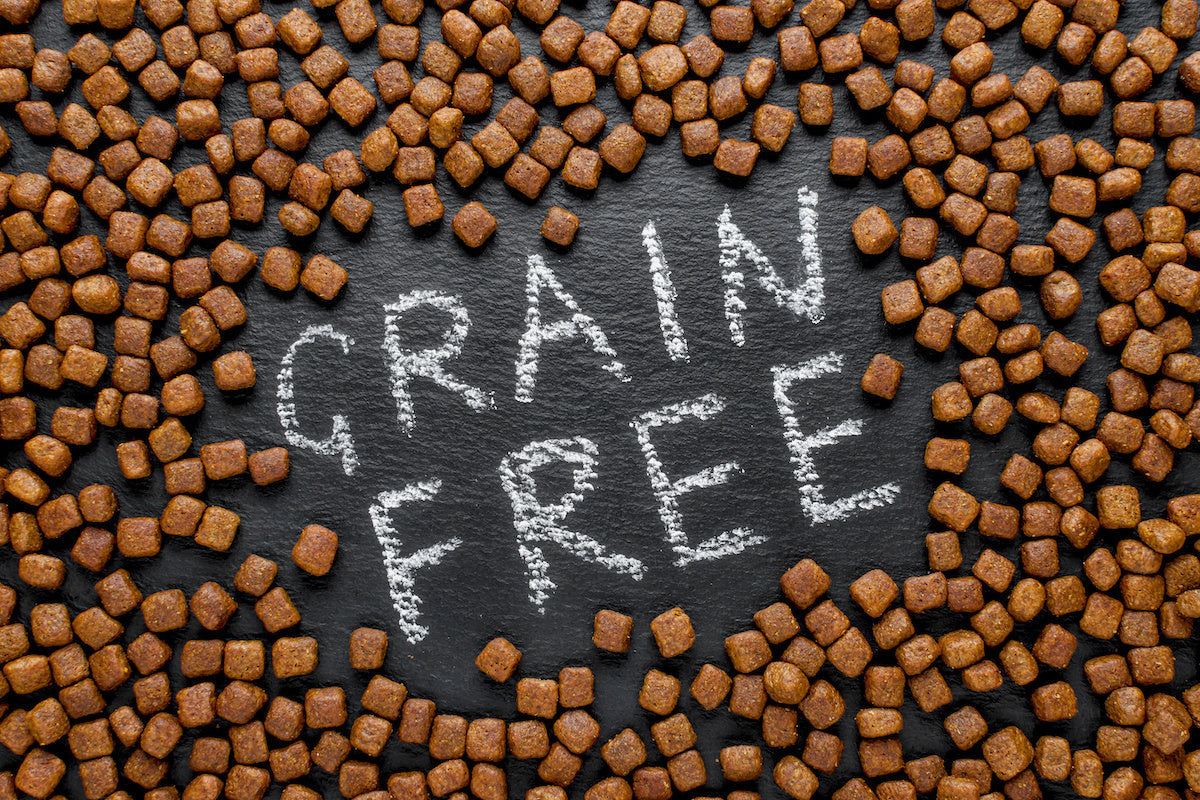
Grain free is better than grain, and there is a real reason for that rather than just a preference. It is not that grain as a whole releases faster than non grain as a whole, that is too tidy a line and it does not hold up, oats and barley are grains and they release slowly, while regular potato is not a grain and it releases fast. The comparison that actually matters is the one we built Stanley's around, sweet potato against rice and maize specifically. Sweet potato has a genuinely lower glycemic index than either of those two and releases into the bloodstream a lot slower, which means steadier energy and less of that insulin swing you get from a dog eating fast release carbs meal after meal for years. That does not mean every dog on a rice or maize based food is in trouble tomorrow, plenty cope with it for a long time, but cope is not the same as ideal, and the cumulative effect of leaning on fast release carbs for years is where the real cost shows up down the line, not this week.
So when we say grain free, we do not mean it as some neutral label. We mean no wheat, barley, maize, oats or rice, and the carb coming from something slower instead, potato, sweet potato, peas, lentils or chickpeas. That gives you two things at once, a slower release into the bloodstream, and a shorter more traceable ingredient list if your dog ever reacts to something and you are trying to work out what.
Worth clearing up two things people mix this up with constantly. Gluten free is narrower, wheat barley and rye have gluten, maize and rice do not, so a food can still have grain in it and be gluten free, that is not the same claim at all. Hypoallergenic has no legal definition, in practice it usually just means one named protein and no wheat gluten, and some hypoallergenic foods still have rice sitting in them.
Where grain free matters most obviously. A dog with a genuine grain sensitivity, that is the clearest case, wheat is usually the one causing bother and taking grain out removes the question entirely. A dog that is itchy all year round rather than seasonally, recurring ear trouble, feet chewed raw, food is worth looking at and grain free is the sensible first move. A dog with loose or unpredictable stools on a grain food where nothing else explains it. A dog going through a proper elimination trial with a vet. And plenty of owners just prefer it once they understand the release rate argument, and that is a completely legitimate reason to switch a dog who looks fine on paper, you are playing the long game rather than fixing a visible problem.
If your dog has been on the same grain food for years and has a good coat, firm stools and no itching, he is not falling apart, but that steady fast release of sugar is still happening every single meal, so moving him to something like Stanley's is still worth considering as a long term move rather than a reaction to a crisis.
Worth knowing what food reactions actually look like too, because grain gets blamed for a lot it did not cause. Protein sources are the most common trigger when a dog reacts to food, beef dairy and chicken among them, grain is one candidate among several, and the signs are usually on the skin rather than the gut. Seasonal itching is far more likely pollen, dust mites or fleas, and changing the food will do nothing for a flea allergy, you will just lose a month finding that out the hard way, rule out fleas first every time.
On the DCM question, back in 2018 the American FDA opened an investigation into a possible link between grain free diets and dilated cardiomyopathy, a heart condition, and it got a lot of coverage and worried a lot of owners. Where it actually stands now, no causal link has ever been established, the focus has shifted over time toward diets very high in peas and lentils rather than grain free as a category, and if anything the picture has gotten murkier rather than clearer. That does not change the carbohydrate release argument at all, it is a separate question, and there is no evidence telling you to pull a thriving dog off a well formulated grain free food. If it worries you, pick a food with a named meat protein high up the list rather than one leaning heavily on pulses to make its protein numbers, and have a word with your vet if you are still not settled.
On cost, grain free usually runs dearer per kilo than an equivalent grain food, though that gap has narrowed and it varies a lot brand to brand, ours is priced to be reasonable specifically because we do not think steadier blood sugar should be a luxury item. Weigh that against what you spend when a dog is uncomfortable, vet visits for skin and ears add up a lot faster than the difference between two bags of food.
Stanley's is our own grain free range and the one we lead with, made in Lancashire, sweet potato doing the carbohydrate work rather than rice or maize, and we know exactly what goes into every bag because we specify it ourselves. Canagan and Carnilove are grain free right through, Carnilove is a useful one when a dog has been on chicken his whole life and is reacting to it, since it runs less usual proteins like salmon, venison and duck. Naturo and Burns have grain free lines sitting alongside their other ranges, so check the actual bag rather than assuming the whole brand is one way or the other. Gain Kindness is Irish made and runs grain free recipes too.
If you are not sure what your own dog is on, bring the bag into either shop and we will look at the actual carbohydrate source with you, not just the front of the pack.


